Home › DBT Skills
Dialectical Behavior TherapySkills for the days that feel unmanageable.
Practical, teachable tools for emotional regulation, distress tolerance and relationships. Online, by phone, or in person in Vancouver.
DBT skills counselling — the short version
- What it is
- DBT-informed individual counselling: practical skills across mindfulness, distress tolerance, emotion regulation and interpersonal effectiveness.
- What it is not
- Not a full standardized DBT programme with group sessions and phone coaching. If you need that, Stephanie will say so and help you find it.
- Who it suits
- People whose emotions arrive at full volume and take a long time to settle, who act in the moment and regret it later, or who know what they should do but cannot reach it when it counts. No diagnosis required.
- Session formats
- Online video, telephone, or in person at the Vancouver office
- Where
- 204 – 5279 West Blvd, Vancouver, BC V6M 3W8, plus online across British Columbia and Saskatchewan
- Cost
- $50 CAD first session, then $150 per 50 minutes ($100 for veterans, healthcare workers and first responders)
- Counsellor
- Stephanie Hartfield, RCC, CCC, MA Counselling Psychology and Art Therapy
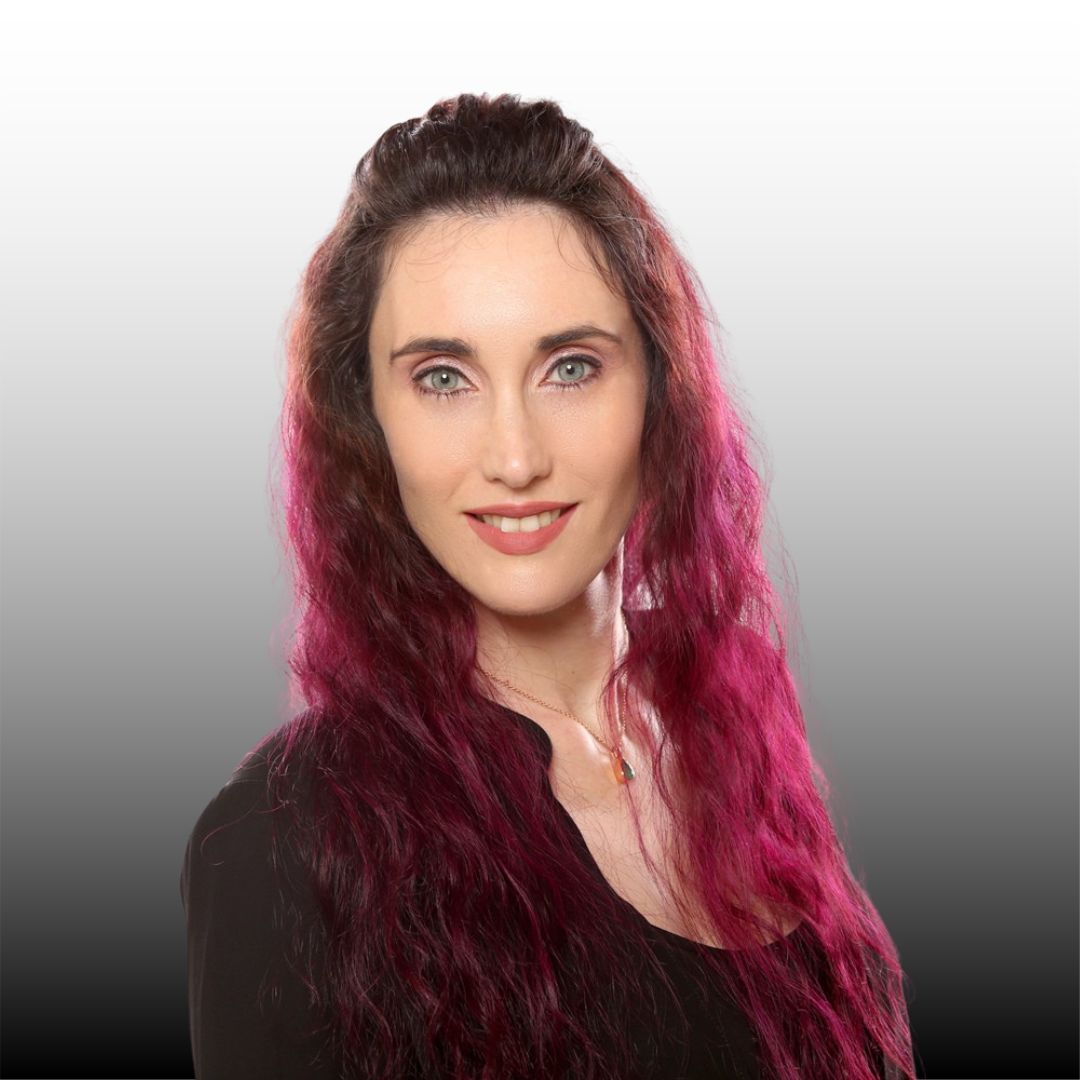 Written and clinically reviewed by Stephanie Hartfield, RCC, CCC,
Registered Clinical Counsellor and Canadian Certified Counsellor, MA Counselling Psychology and Art Therapy.
Dialectical Behavior Therapy (DBT) is a type of cognitive-behavioural therapy focused on teaching concrete skills: how to manage emotions, handle stress, improve relationships and live mindfully. It works equally well online, by phone or in person.
If you have had therapy before and come away thinking “that was useful, but I still do not know what to actually do at 11pm when it all lands on me” — this is the answer to that. DBT is unusually practical. You leave with tools, not only insight.
What DBT is for
DBT is used for a wide range of mental health and everyday living issues. It helps by building emotional regulation, distress tolerance and interpersonal effectiveness, making it easier to cope with challenges and improve overall well-being.
It tends to be a particularly good fit if you recognize yourself in any of these:
- Emotions arrive at full volume and take a long time to come back down
- You act in the moment in ways you regret once the wave passes
- You swing between feeling too much and feeling nothing
- Conflict either gets avoided entirely or goes nuclear
- You know what you “should” do and cannot access it when it counts
- Stress shows up in your body before you have consciously noticed it
The four skill areas
Mindfulness
Not meditation for its own sake — the practical ability to notice what is happening while it is happening, which is what makes every other skill possible. Noticing “I am starting to spiral” thirty seconds earlier changes what you can do about it.
Distress tolerance
What to do when a feeling is unbearable and you cannot fix the cause right now. Getting through the moment without doing something that makes tomorrow worse. These are the skills people find most immediately useful.
Emotion regulation
Understanding what your emotions are doing, reducing how often you get ambushed, and building a life with fewer unnecessary triggers in it. This is the slower, structural work.
Interpersonal effectiveness
Asking for what you need, saying no, and holding your position without wrecking the relationship or abandoning yourself. Scripts and structure for the conversations you have been avoiding.
How I use DBT
I am DBT-trained and I draw on these skills within individual counselling — this is DBT-informed therapy rather than a full standardized DBT programme with group sessions and phone coaching. For most people that is exactly what they want: the practical tools, taught individually, applied to their actual life.
In practice, a session often has two halves: what happened this week and how it landed, then a skill to take into next week. I will ask you to try things between sessions, because that is where the change happens — but I am not going to shame you about homework. If a skill did not work, that is useful information and we adjust.
DBT also pairs well with the other work I do. Grief regularly produces emotions that feel unmanageable, so these skills come up constantly in grief and loss work too.
What we might work on
Riding out a wave
Concrete distress tolerance skills for the moments when a feeling is at full volume and you need to get through the next twenty minutes.
Noticing earlier
Building the mindfulness to catch a spiral near its start, when you still have options, instead of at the bottom.
Fewer ambushes
Looking at what reliably sets things off and reducing the unnecessary triggers built into your week.
Difficult conversations
Structure and language for asking, refusing and holding a boundary without the relationship or yourself taking the damage.
Acting opposite
What to do when the thing your emotion is urging you toward is the thing that will make tomorrow harder.
Self-respect under pressure
Keeping hold of your own standards in conflict, instead of choosing between being liked and being honest.
About dbt skills
Is this full DBT with groups and phone coaching?
No. This is DBT-informed individual counselling: the same skills, taught one to one, applied to your life. If you need a full standardized DBT programme I will say so and help you find one.
Do I need a diagnosis for DBT to be useful?
Not at all. DBT was developed in a clinical context but the skills are genuinely for everyday living. Plenty of my clients come with no diagnosis and simply want better tools.
Is there homework?
There is practice, because skills only become usable through use. It is not graded, and if something did not work we treat that as information rather than failure.
I have tried CBT and it did not help. Will this be different?
Often, yes. CBT works largely on thoughts; DBT adds a strong focus on tolerating and regulating intense emotion in the moment, which is what many people find was missing.
How long before I notice a difference?
The distress tolerance skills can help almost immediately — many people get something usable out of the first couple of sessions. The deeper regulation work takes longer.
Start with one conversation.
The first session is $50 and there is no obligation to continue.