Home › Art Therapy
Art TherapyWhen words run out, making carries the rest.
Creative expression as a route into feelings that resist being spoken. No artistic skill required. In person in Vancouver, or online.
Art therapy — the short version
- What it is
- Using drawing, painting, collage and other making as a therapeutic route into feelings that resist words.
- Do you need to be good at art
- No. Artistic skill is irrelevant, nothing is assessed, and nothing you make is interpreted back at you.
- What you need
- Paper and a pen is enough to begin. Materials are provided for in-person sessions.
- Who it suits
- Grief, trauma, anxiety, depression, neurodivergent clients, and anyone whose talking therapy has started going in circles.
- Where
- 204 – 5279 West Blvd, Vancouver, BC V6M 3W8, plus online across British Columbia and Saskatchewan
- Cost
- $50 CAD first session, then $150 per 50 minutes ($100 for veterans, healthcare workers and first responders)
- Counsellor
- Stephanie Hartfield, RCC, CCC, MA Counselling Psychology and Art Therapy
- Session formats
- In person at the Vancouver office or online by video; phone is less suited to art therapy
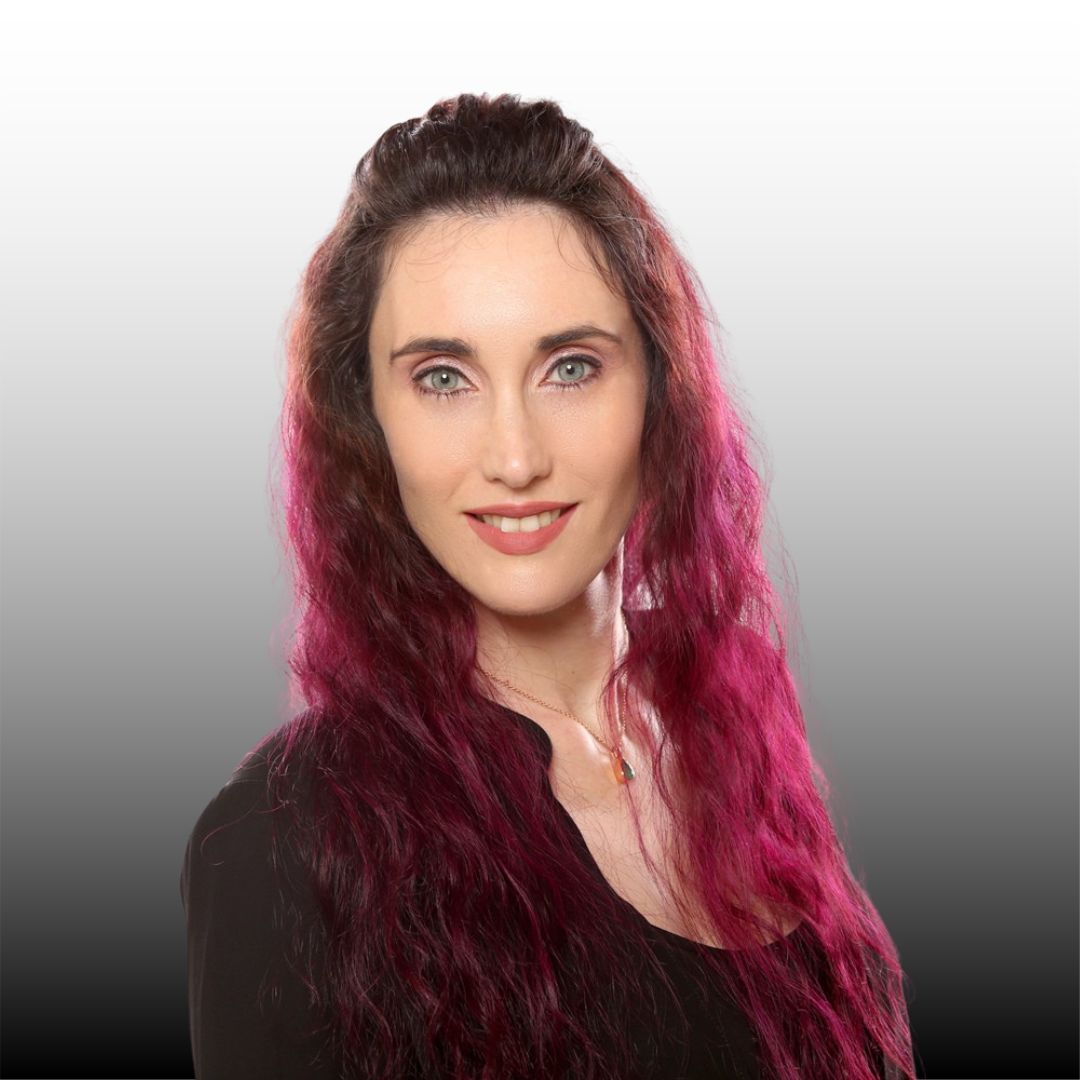 Written and clinically reviewed by Stephanie Hartfield, RCC, CCC,
Registered Clinical Counsellor and Canadian Certified Counsellor, MA Counselling Psychology and Art Therapy.
Art therapy uses creative expression as a therapeutic tool to help you explore emotions, process trauma and improve mental well-being. By engaging in activities like drawing, painting or sculpting, people can express feelings they might struggle to put into words.
Let me deal with the objection first, because almost everyone has it: you do not need to be able to draw. Not a bit. Artistic skill is completely irrelevant here and nothing you make is ever assessed, interpreted at you, or shown to anyone. My Master’s Degree is in Counselling Psychology and Art Therapy, and the training is in using the process, not in judging the product.
Why making helps
Talking therapy asks you to turn an experience into language first. That works well for a great deal, but some things resist it — early memories, trauma, grief, and anything that arrived before you had words for it. Feelings can also be too large or too contradictory to fit into a sentence, so you end up saying something smaller and truer-sounding than what you actually mean.
Making something bypasses that. Colour, shape, pressure and mess can hold ambivalence in a way a sentence cannot. You can put two opposite things in the same picture and they can both be true. Often you find out what you think by looking at what you made.
What a session actually involves
Art therapy works in person at the office, where materials are provided, or online, where we work with whatever you have to hand. Paper and a pen is genuinely enough. Some people build up a small kit — cheap paints, oil pastels, collage material, clay — but none of that is required to start and I will never send you shopping before a first session.
A session might involve making for part of the time and talking for the rest, or occasionally making almost the whole way through. I might offer a starting point — a feeling, a colour, a question, a shape — or you might arrive knowing what you need to put down. Afterwards we look at it together, and “look at” means I am curious about your experience of making it, not that I am decoding it to tell you what it means about you.
Nothing you make needs to be kept. Some people keep everything; some destroy things deliberately, which can itself be the point.
What it helps with
Art therapy promotes self-discovery, emotional healing and personal growth, making it a valuable approach for people dealing with anxiety, depression, trauma and other mental health challenges. I find it particularly useful for:
- Grief, where language consistently falls short of the experience
- Pet loss, where making something for a companion can be a real act of memorial
- Trauma, where approaching something sideways is often safer than approaching it head-on
- Anxiety, where the making itself regulates the nervous system before anything is discussed
- Neurodivergent clients who find expected eye contact and continuous talk effortful
- Anyone who has been in talking therapy for a while and feels circular in it
If you are not sure whether this is for you, that is a completely reasonable place to start from. We can use a first session to try something small and see how it lands.
What we might work on
Starting with no skill at all
Finding a way in that does not depend on being able to draw, and getting past the self-consciousness of the first mark.
Grief you cannot articulate
Making something for or about a person or animal you lost, when talking about them keeps coming out wrong or not at all.
Approaching trauma sideways
Working at a safe distance through image and metaphor rather than narrating something you are not ready to narrate.
Regulating while making
Using repetitive, tactile work to settle a nervous system before and while difficult material is discussed.
Holding contradictions
Putting two opposite feelings in the same image, when a sentence forces you to pick one and misrepresent yourself.
When talking has gone circular
Changing the medium when months of useful conversation have started going round the same loop.
About art therapy
Do I need to be good at art?
No. Artistic skill is irrelevant here. Nothing you make is assessed or judged, and the training is in using the process, not in evaluating the product.
What materials do I need?
Paper and a pen is enough to begin. If you want to build up a small kit later we can talk about inexpensive options, but you will never be asked to buy anything before a first session.
Can art therapy work online?
Yes. You make in your own space with your own materials, which many people find less exposing than making in front of someone. We then look at it together on screen.
Will you interpret my drawing and tell me what is wrong with me?
No. That is a persistent myth about art therapy. I am interested in your experience of making it and what you notice in it — you are the authority on your own work.
Do I have to show you what I make?
Not if you do not want to. Sometimes the making is the whole intervention and the object stays private. That is a legitimate way to work.
Can we combine it with ordinary talking therapy?
Almost always, yes. Most of my work moves between the two depending on what the material needs that week.
Start with one conversation.
The first session is $50 and there is no obligation to continue.